WaterWatch live Thames Water sewage discharge monitor

WaterWatch
StatusAboutContactDashboardAccountView map →
Now live — Thames Water region · updated every 15 min
📬 Weekly digests now available to everyoneEnable →
Live data on

When a sewer overflows into your river, you deserve to know about it. WaterWatch puts real‑time discharge data from every Thames Water CSO site into plain sight — when it started, how long it ran, and exactly where on the map.

View the live map →Get alertsOpen dashboard
Scroll
Live

Currently discharging

View on map →
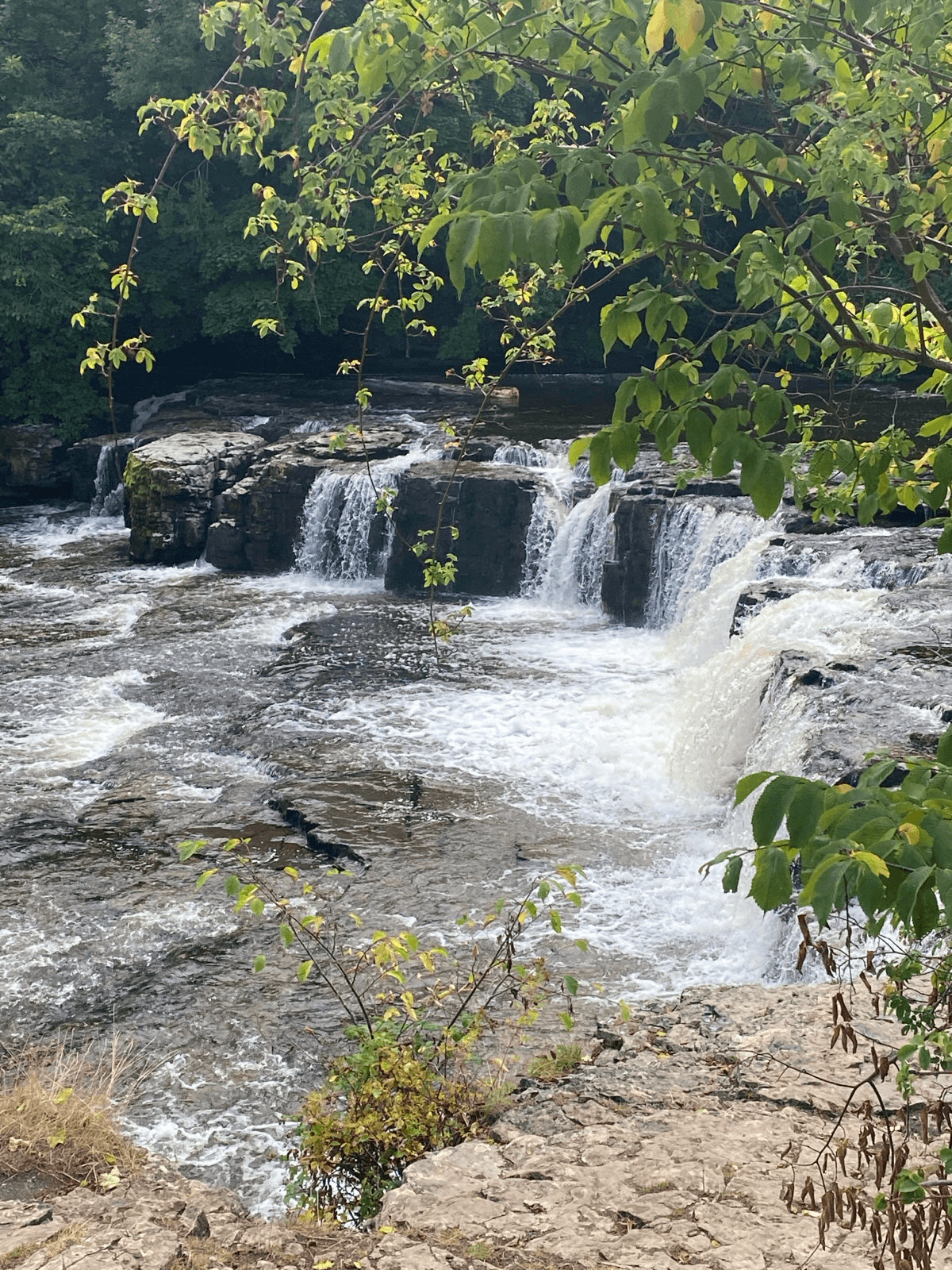
River in the Thames Water region

Why we exist

Environmental data that belongs to everyone.

Discharge records from every Thames Water CSO site are publicly available — reported through an official EDM sensor network, updated every 15 minutes. WaterWatch makes that data actually usable.

Real-time alerts. Site histories. River-level context. Weekly summaries. Every number comes from the source, presented clearly. Independent, transparent, and free for everyone.

The platform

Track every discharge.

Every CSO site in the Thames Water network — mapped, measured, and updated every 15 minutes from official EDM sensor data. Free and independent.

🗺️
Live discharge map
Every active overflow plotted in real time from Thames Water EDM sensors, refreshed every 15 minutes.
📊
Per-site discharge history
Full event records for any site — start time, duration, and cumulative spill hours by month and year.
🔔
Instant email alerts
Get notified the moment a discharge starts or stops at a site you follow. Free, no spam.
📥
CSV data export
Download raw discharge data for any site or date range for your own research.

Why this matters

What a sewage spill actually means for normal people — and why the data often confuses everyone

A combined sewer overflow (usually shortened to CSO) is a release point in the sewer network that can discharge a mix of rainwater and untreated wastewater into rivers during heavy pressure events. In plain English: when systems are overloaded, water companies can let any water in the sewer out so sewage does not back up into homes and streets. It's diluted wastewater, but this still has an impact.

The central problem is not only pollution. It is visibility.

Why UK sewage data feels contradictory

Open data has only recently been established, started by Thames Water. You will now often see two claims at once: “spills are improving” and “rivers are still under pressure”. Both can be true. Year-on-year numbers move with weather, sensor uptime, and local network behaviour. A wet year can make performance look worse even if operational response improves. A dry year can flatter results that are not structurally fixed.

At first glance, a lower spill total looks like a clear win. It is not always that simple. Without context, raw totals can mislead communities and policymakers in both directions.

What most dashboards miss

They show event counts without explaining rainfall context, monitor outages, or changes in local catchment behaviour.

What WaterWatch adds

Live status, event timing, nearby rain and river context, and explainers on methodology so trends can be interpreted properly, alongside live alerts for those who care most.

How our system works in plain English

We ingest public event data, keep the raw timeline, and surface it in forms real people can act on: map view, site pages, downloads, and alerts. You can check whether an overflow is active now, when it began, and what happened at that site over time. We also place events next to river-level and rainfall signals to avoid the “single number” trap.

In practical terms, this means a parent planning a weekend river walk can make a better judgement call. A local campaign group can point to repeat patterns at a site rather than one-off anecdotes. A journalist can inspect the same raw backbone that powers the visuals.

We do not claim to replace regulators. We do make the public record faster to understand and highlight the limitations. It's tough to have a bulletproof system.

Data limits (and why we publish them openly)

  • Sensor networks can go offline, which creates blind spots.
  • Public feeds can update with delay during incidents.
  • Event data shows discharge timing, not full ecological impact.
  • A site can look better or worse depending on weather year.
  • Sites can be adversley affected by groundwater, which makes a site look like it's just spilling sewage

That transparency is intentional. Trust is not built by pretending data is perfect; it is built by showing what the data can and cannot prove.

A real-world use case

Imagine a site that had an upgrade, but continued to spill at similar rates. A quick headline would blame. Our deeper view might reveal that total spill hours increase, but the site under equal pressure conditions performed better when you facor in rainfall, river levels, soil saturation, groundwater and all the things that add strain to a sewer network. This is exactly the type of nuance that simple league tables miss.

From the blog

Transparency in practice

All posts →
Methodology16 Mar 2026 · 10 min read

How we determine if a CSO site is improving

Reducing spill hours year-on-year sounds straightforward. It isn't. Rainfall, sensor gaps, and three-year baselines all complicate the picture. Here's our honest framework for reading improvement signals.

Read →
Transparency15 Mar 2026 · 8 min read

Why you can trust what WaterWatch tells you

Every number on WaterWatch comes from Thames Water's own EDM sensor network. We don't estimate, extrapolate, or fill gaps. Here's exactly how our pipeline works — and where its limits honestly lie.

Read →
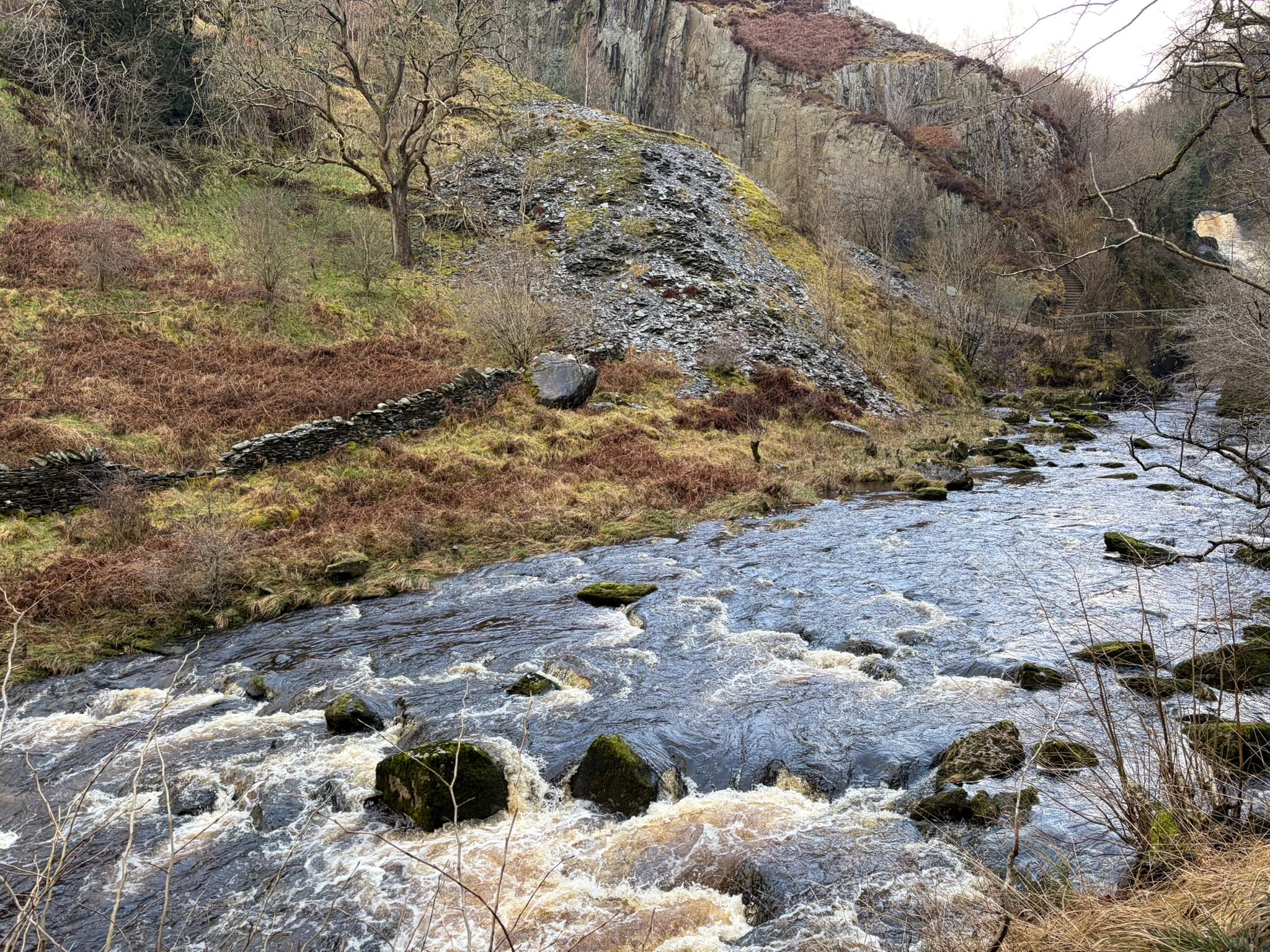
Waterway in the Thames region

Built by people who give a damn

WaterWatch is an independent project. No investor pressure, no corporate agenda — just a belief that environmental data should be genuinely accessible.

Newsletter

Stay informed. We're live.

Subscribe to the WaterWatch newsletter and get spill roundups, platform updates, and the numbers behind Thames Water's overflow network — straight to your inbox.

Free forever · No spam · Unsubscribe any time